Patisseries in the UK
Patisserie is the fine-dining end of the baking world. Where a bakery is about bread and everyday bakes, a pâtissier works in grams and degrees: glossy mirror glazes, crisp sablé bases, mousses that hold a perfect edge and choux buns piped to identical sizes. In the UK you will find classically trained French-style shops, contemporary studios inspired by Japanese and Scandinavian pastry, and cafés that make a small range of tarts in-house.
This page lists patisseries across the country from open data, and the 'Find near me' button sorts them by distance from you. Because pastry this delicate rarely travels well, proximity matters more than usual – a raspberry tart or a Paris-Brest is at its best within an hour or two of leaving the counter, so it pays to know which shop is closest to where you will actually be eating.
Find patisseries near you
Share your location (it never leaves your browser except to sort this list) or type a UK postcode.
Patisseries by city
Popular patisseries 1–30 of 1,059
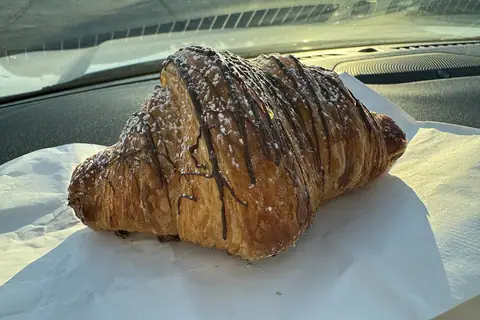
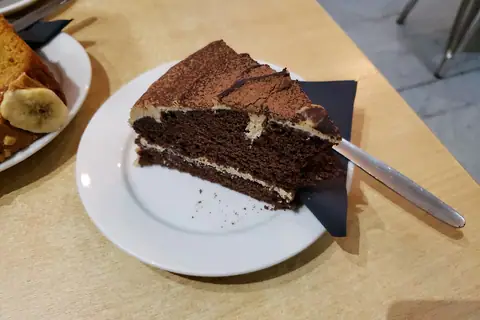
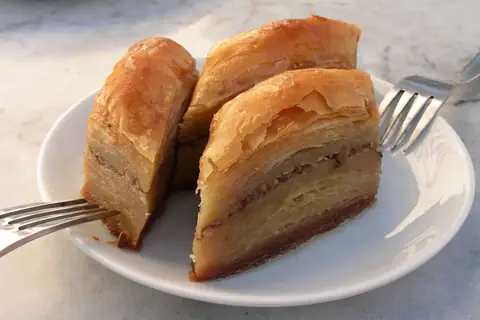
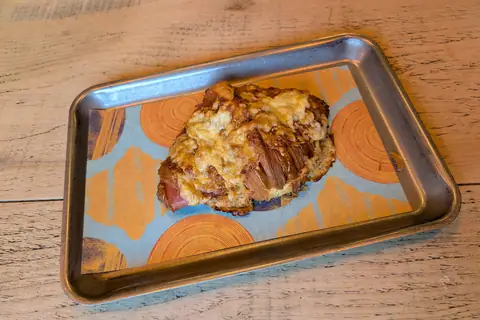
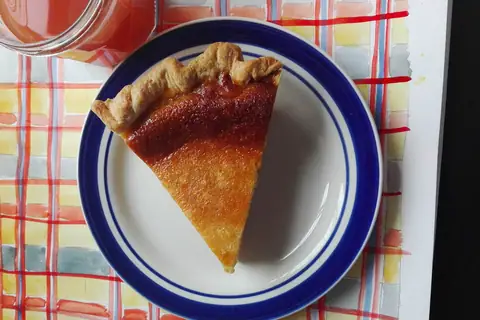
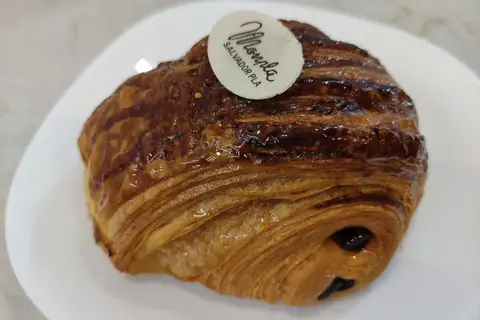
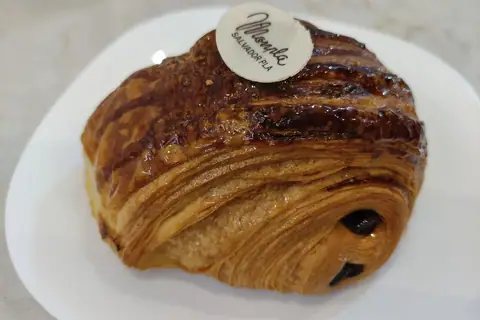
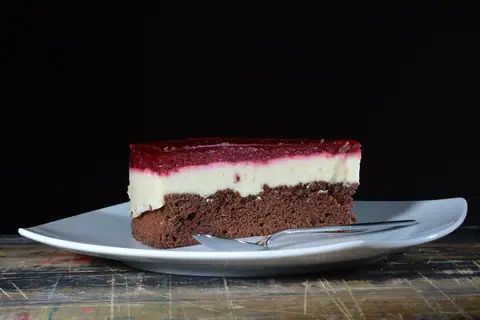


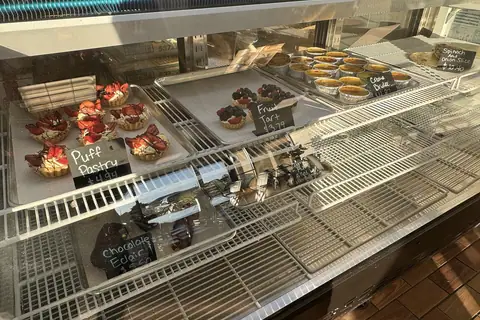
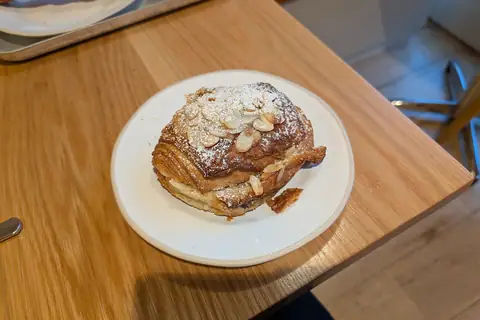
Pastries
Mission Kitchen Food Exchange New Covent Garden Market Nine Elms Lane, London, Wandsworth SW8 5EL
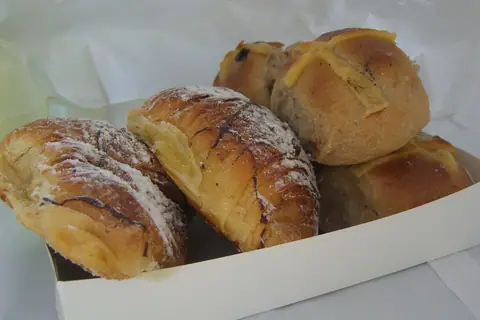
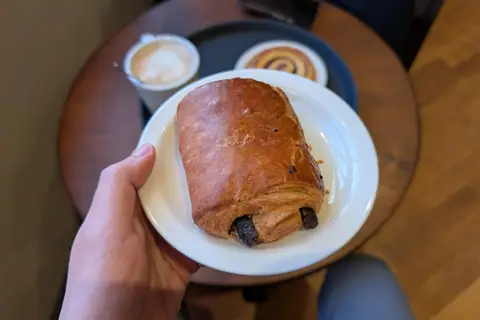



Reading a patisserie counter
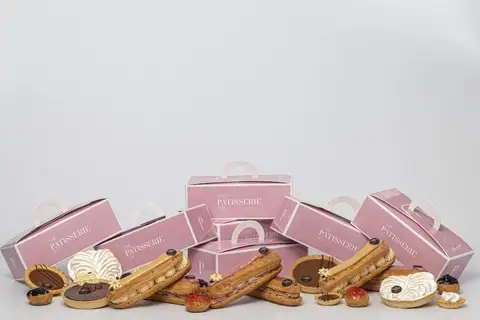
A serious counter is usually arranged by family. Choux pastry gives you éclairs, religieuses and Paris-Brest. Tarts sit on pâte sucrée or sablé bases with fillings such as lemon cream, chocolate ganache or crème pâtissière under fruit. Entremets are the modern, layered mousse cakes, often cut from a frame or made as individual domes. Viennoiserie – croissants and their cousins – technically belongs to the bread side of French baking, but most patisseries sell it too.
Small things are a good sign. Fruit should be glossed with a thin nappage, not drowning in jelly. Choux should be crisp and dry inside, never soggy. Chocolate work should snap. If the counter looks identical at 9am and 5pm, ask what was made today.
Patisserie vocabulary, quickly
- Crème pâtissière – thick vanilla custard used to fill choux and tarts
- Crème diplomate – crème pâtissière lightened with whipped cream
- Pâte sucrée – sweet, crisp shortcrust used for tart cases
- Mille-feuille – 'a thousand leaves' of puff pastry layered with cream
- Entremets – a multi-layered mousse cake with inserts and a glaze
- Macaron – almond meringue shells sandwiched with ganache or buttercream
- Opéra – almond sponge layered with coffee buttercream and chocolate ganache
Ordering a patisserie cake for an occasion
Many patisseries take orders for whole tarts and entremets in 4-, 6- and 8-portion sizes, and some produce croquembouche towers or layered celebration cakes. These are usually priced per portion rather than per cake, and need refrigeration until shortly before serving. Give at least 48 hours for a standard item and considerably longer for anything bespoke.
Tips before you go
- Carry pastries flat and keep them cool – a box on a hot car seat will soften mousse and wilt cream within half an hour.
- Eat choux and fruit tarts the same day; macarons are actually better after a night in the fridge, as the filling softens the shells.
- Ask about nuts directly: almond flour is in macarons, frangipane and many sponges, and praline is made from hazelnuts or almonds.
- Gelatine is common in mousses and glazes – vegetarians and those eating halal should check whether it is pork, beef or a plant-based setting agent.
- For gifts, choose sturdier items such as financiers, madeleines or boxed macarons.
Fun fact: The Paris-Brest was created in 1910 to celebrate the Paris–Brest–Paris cycle race, and its ring shape is meant to resemble a bicycle wheel.
What to order
- ÉclairA crisp choux finger filled to the ends, with a shiny fondant or glaze that matches the filling.
- Tarte au citronSharp lemon cream on a thin, snapping pastry case is a quiet test of skill.
- Mille-feuilleCaramelised puff layers that shatter rather than bend, with vanilla cream between them.
- Paris-BrestA ring of choux filled with praline cream, originally created to honour a cycle race.
- MacaronsLook for smooth tops, a ruffled 'foot' and a slightly chewy centre.
- Individual entremetsThe modern showpiece – layers of mousse, crunch and fruit under a mirror glaze.
- Fruit tartletSeasonal fruit over crème pâtissière shows whether the shop buys good produce.
Typical prices in 2026
| Item | Typical range | Notes |
|---|---|---|
| Macaron (each) | £2.00–£3.50 | Boxes of 6 or 12 usually cost a little less per piece |
| Éclair or choux bun | £3.80–£6.50 | Seasonal flavours often sit at the top of the range |
| Individual tart | £4.50–£7.50 | Fresh berry tarts cost more in winter |
| Individual entremets | £6.00–£9.50 | Labour-heavy, so the priciest single item |
| Whole tart (6–8 portions) | £28–£55 | Order 1–2 days ahead |
| Croquembouche | £120–£400 | Priced by number of choux buns and decoration |
Guide prices across UK independents and chains; London and specialist bakeries often sit at the top of the range.
Frequently asked questions
What is the difference between a patisserie and a bakery?
A bakery's core business is bread, along with everyday cakes and pastries. A patisserie concentrates on refined sweet work – tarts, choux, mousse cakes, macarons – made with exacting technique. In France the trades are traditionally separate, though in the UK many shops do a bit of both and use the words more loosely.
Why are patisserie cakes so expensive?
A single entremets can involve five or six components made over two days, plus butter, cream, chocolate and nuts that are all expensive ingredients. Everything is finished by hand and has a short shelf life, so waste is built into the price. Expect individual pieces to cost roughly £4–£9.50 in 2026.
Is there a patisserie near me that does birthday cakes?
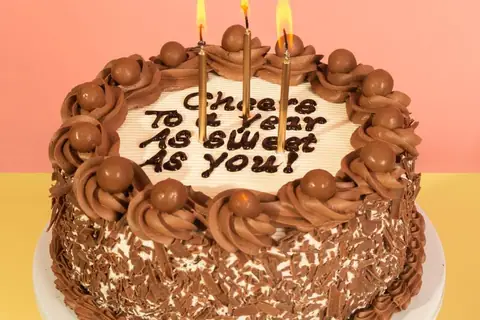
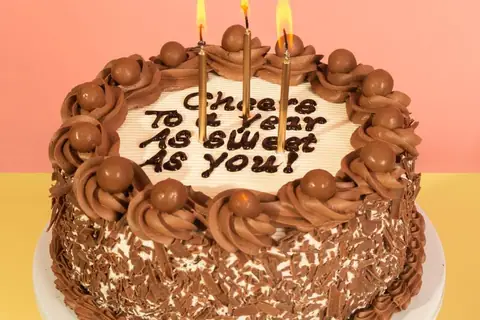
Most patisseries take orders for whole tarts or layered entremets that work beautifully as birthday cakes, and some will add a chocolate plaque with a name. Sort the list by distance, then contact a few shops – give at least two days' notice, and longer for anything decorated to a theme.
How long do patisserie cakes last?
Most are designed to be eaten the day you buy them, or the next day at the latest, kept in the fridge. Cream, custard and fresh fruit all deteriorate quickly. Baked items such as financiers and madeleines last two or three days in an airtight tin, while macarons keep for several days chilled.