Sourdough Bakeries in the UK
Sourdough is bread leavened by a living culture of wild yeasts and lactic acid bacteria rather than by commercial baker's yeast. Bakers keep that culture – the starter or 'mother' – alive with daily feeds of flour and water, sometimes for years. The result is bread with a tangy depth, a chewy, glossy crumb and a thick crust, and it is the backbone of most independent bakeries opened in the UK over the past fifteen years.
Use 'Find near me' to see which sourdough bakeries are closest. The listings come from open data, so they include everything from busy high-street shops to micro-bakeries working out of a converted garage with a hatch. Some sell only a handful of loaves each day, so if you have a favourite, it is worth asking whether you can reserve one.
Find sourdough bakeries near you
Share your location (it never leaves your browser except to sort this list) or type a UK postcode.
Sourdough Bakeries by city
Popular sourdough bakeries 1–30 of 416



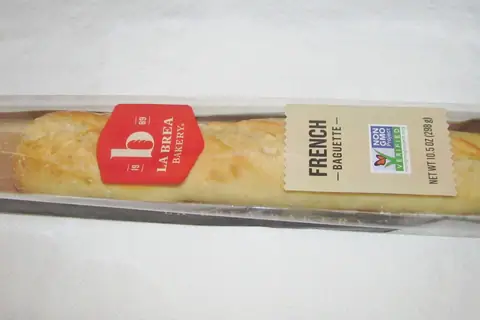
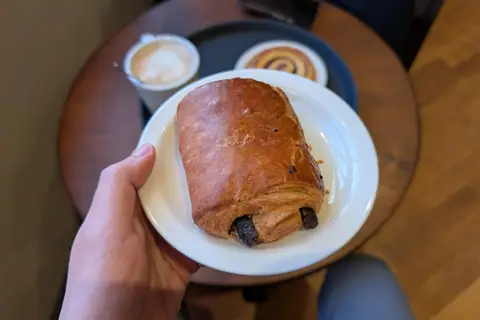
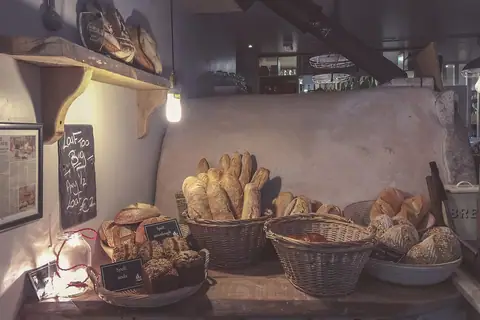
Real sourdough versus 'sourfaux'
Because the word sells bread, some products labelled sourdough are made mostly with commercial yeast and flavoured with a little dried sourdough powder or vinegar to imitate the sour taste. Campaigners nicknamed this 'sourfaux'. A genuine sourdough is leavened by the starter alone, so check the ingredients: if yeast appears on the list, the loaf is at best a hybrid.
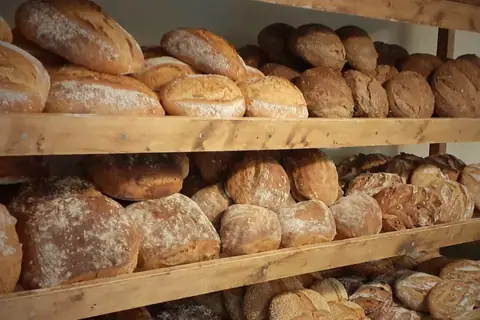
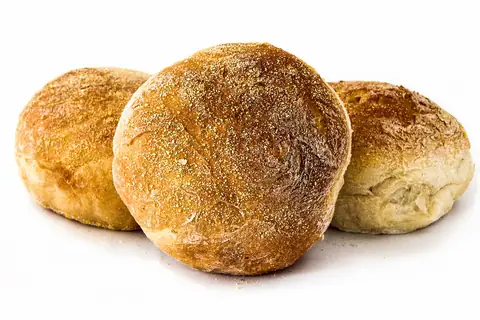
In the hand, a real sourdough feels heavy for its size, has a well-caramelised crust that crackles as it cools, and an irregular crumb with a slight sheen. It stays fresh for several days because the natural acidity slows staling.
Common styles on the shelf
- White or country sourdough – mostly white flour with a little wholemeal, mild and versatile
- Wholemeal sourdough – denser and nuttier, with more fibre
- Rye sourdough – very dense, moist and sour; traditional across Germany, Poland and the Baltics
- Spelt sourdough – a slightly sweet, nutty flavour from an ancient wheat
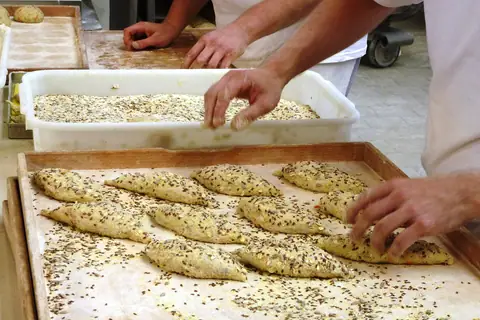
- Seeded sourdough – sunflower, pumpkin, linseed and sesame worked through the dough
- Flavoured loaves – olive, walnut and raisin, cheese and jalapeño, or fig and fennel
What about digestion?
Many people find long-fermented sourdough easier on the stomach than standard factory bread, and research suggests lengthy fermentation can reduce some of the fermentable carbohydrates (FODMAPs) in wheat. It is important to be clear, though: wheat, spelt and rye sourdough still contain gluten and are not safe for anyone with coeliac disease. Some specialist bakers do make gluten-free sourdough with rice, buckwheat or sorghum starters.
Tips before you go
- Let a freshly baked loaf cool completely before slicing – the crumb is still setting and will turn gummy if cut warm.
- Keep sourdough in a cloth or paper bag; a plastic bag softens the crust but helps it last a day or two longer.
- Ask what flour the baker uses and whether any is stoneground or locally milled – good bakers are proud of their suppliers.
- If you are avoiding yeast for dietary reasons, check that the loaf contains no added commercial yeast.
- Freeze in slices on day two or three so you can toast what you need.
Fun fact: One of the bacteria responsible for the tang in sourdough was named after San Francisco, where it was first identified in the 1970s, yet the same species turns up in sourdough starters all over the world, including in Britain.
What to order
- House country loafThe everyday staple, great for toast, sandwiches and soaking up soup.
- Dark ryeSlice thinly and serve with smoked fish, cheese or butter and salt.
- Seeded wholemealA hearty loaf that keeps well and makes satisfying toast.
- Sourdough baguetteChewier and tangier than a yeasted baguette, with a crust that holds up longer.
- Olive or walnut sourdoughA ready-made match for a cheese board.
- Sourdough focacciaOpen-crumbed and oily, ideal torn alongside a salad.
- Sourdough crumpets or English muffinsSome bakers use spare starter to make these on weekends.
Typical prices in 2026
| Item | Typical range | Notes |
|---|---|---|
| White or country sourdough (800g) | £4.50–£6.50 | Large 1kg+ loaves up to about £7.50 |
| Wholemeal or spelt sourdough | £5.00–£7.50 | Heritage flours cost the baker more |
| Rye sourdough | £4.50–£7.00 | Often sold by weight |
| Small sourdough loaf or bloomer | £3.00–£4.50 | Good for one or two people |
| Sourdough baguette | £2.50–£3.80 | Best eaten the same day |
| Dried or fresh starter to take home | £0–£8 | Some bakers give spare starter away free |
Guide prices across UK independents and chains; London and specialist bakeries often sit at the top of the range.
Frequently asked questions
Where can I buy real sourdough bread near me?
Independent sourdough and artisan bakeries are the most reliable source. Use the 'Find near me' button to sort them by distance, then check the ingredients on whatever you buy: genuine sourdough lists flour, water and salt, with no added yeast. Farmers' markets and some delis also stock loaves from local micro-bakeries.
Is sourdough bread gluten free?
No. Sourdough made with wheat, spelt or rye contains gluten, even after long fermentation, and is not safe for people with coeliac disease. A small number of specialist bakeries make gluten-free sourdough using rice, buckwheat or other naturally gluten-free flours – look for a certified gluten-free bakery if you need it.
How long does sourdough bread last?
A well-made sourdough keeps for three to five days at room temperature in a bread bag or box, because its natural acidity slows staling and mould. It will firm up as it ages but toasts beautifully. Sliced and frozen in a sealed bag, it keeps well for around three months.
Why is sourdough more expensive than normal bread?
A sourdough loaf takes far longer to make – often a day or two including the overnight prove – and the starter must be fed every day. Bakers also tend to use better flour and shape each loaf by hand. That labour and time explains a price of roughly £4.50–£7.50 compared with around £1.50 for a factory loaf.