Artisan Bakeries in the UK
'Artisan' is not a protected word in UK food law, so it is used for everything from genuine craft bakeries to supermarket loaves with a dusting of flour on top. On this site we use it for independent bakeries whose bread and pastry is made by hand on the premises, typically with long fermentation, few or no additives and a short shelf life. The open-data listings here cover small neighbourhood shops, railway-arch bakeries and market-stall operations.
Tap 'Find near me' to rank them by how far they are from you. It is worth checking opening times closely: many artisan bakers start before dawn and sell out by early afternoon, some only trade from Wednesday to Saturday, and a few sell mainly through pre-orders or a weekly market. The guide below explains what separates real craft baking from clever marketing.
Find artisan bakeries near you
Share your location (it never leaves your browser except to sort this list) or type a UK postcode.
Artisan Bakeries by city
Popular artisan bakeries 1–30 of 1,078
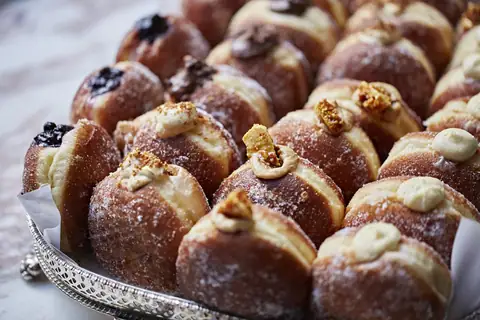
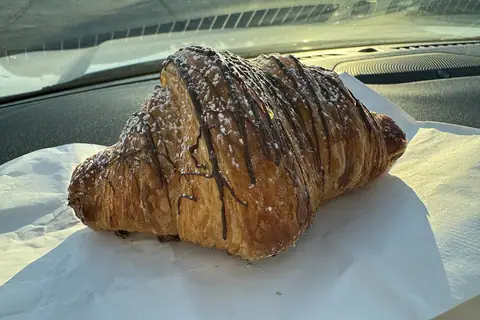
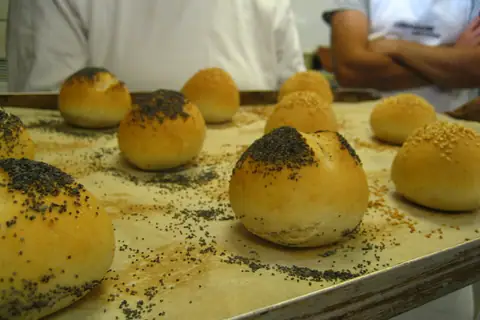
The cinnamon tree bakery
Green Market Borough Market, 8, Southwark Street, London SE1 9AL
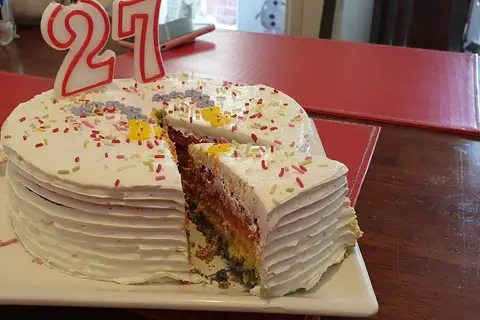
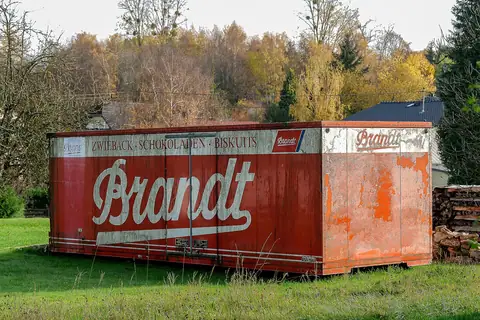
The Artisan Baker Partnership
Unit 22, Indoor Market, Five Valleys Shopping Centre, Stroud GL5 1RR

How to tell real craft baking from 'artisan-style'
The quickest test is the ingredients list. A real artisan loaf needs flour, water, salt and either yeast or a sourdough starter – sometimes seeds, grains or a little fat. Long lists including emulsifiers, flour treatment agents, preservatives or 'enzymes' suggest a factory process, whatever the packaging says.
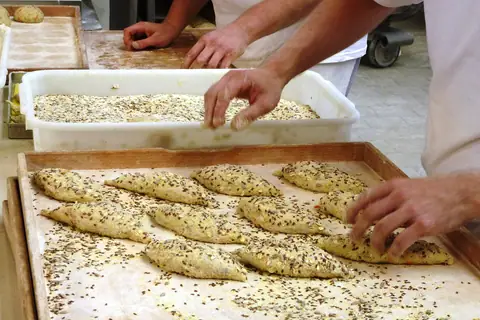
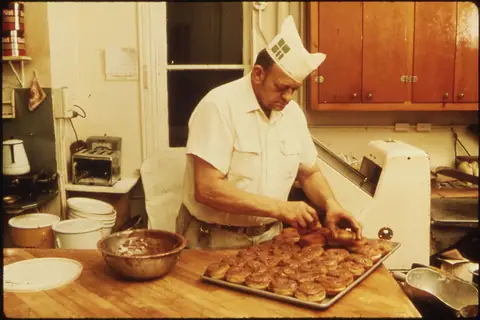
The second test is time. Craft bakers let dough ferment slowly, often overnight, which builds flavour and a chewier, more open crumb. Ask how long the dough is left to rise; an artisan baker will happily tell you, and usually at some length.
- Short ingredient list without additives
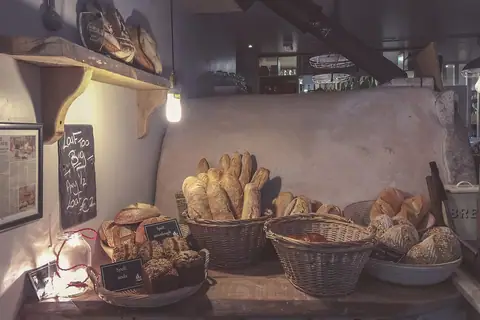
- Bread baked on site, ideally visible from the counter
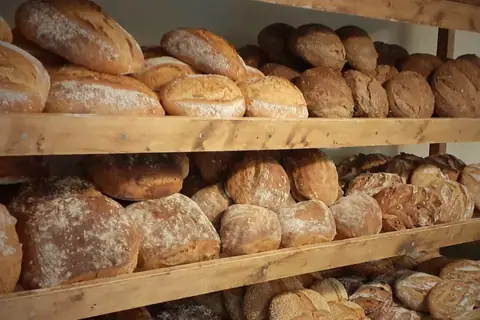
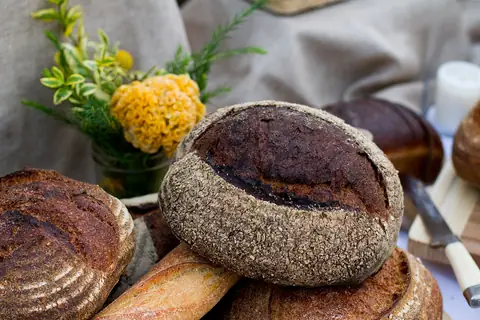
- Deep-coloured, crackly crust rather than a pale, soft one
- Loaves that go stale within two or three days rather than staying soft for a week
- Some products simply running out by the afternoon
Beyond the loaf
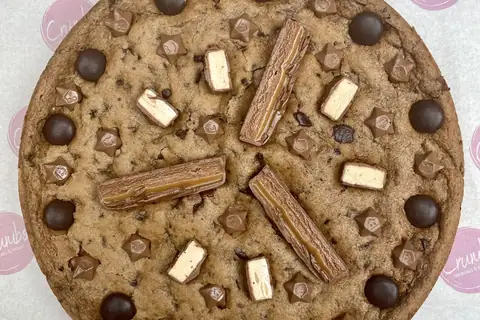
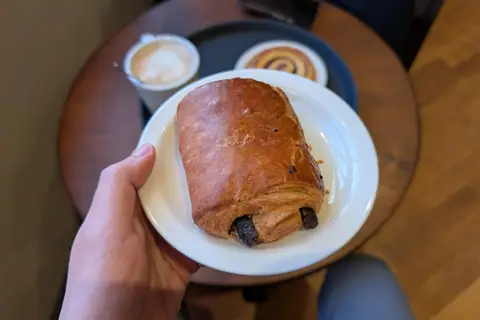
Most artisan bakeries have a sweet side that is just as carefully made: laminated pastries using real butter, cardamom or cinnamon buns, seasonal fruit danishes, brownies and cookies. Many also stock locally milled flour, so if you bake at home it is a good place to buy stoneground wholemeal or heritage grains such as spelt, rye and einkorn.
Tips before you go
- Arrive early on Saturdays – the most popular loaves and buns are often gone well before noon.
- Ask if the bakery runs a pre-order or subscription system; it is the surest way to get a specific loaf every week.
- Store crusty bread cut-side down on a board or in a paper or cloth bag, never in the fridge, which makes it stale faster.
- Slice and freeze any loaf you will not finish within two days, then toast straight from frozen.
- If you have a wheat or gluten intolerance, remember that spelt, rye and einkorn all contain gluten.
Fun fact: The Chorleywood Bread Process, developed in Hertfordshire in 1961, cut the time needed to make a loaf to a few hours using intense mechanical mixing, and the large majority of British bread is still made this way – which is exactly what artisan bakers set out to do differently.
What to order
- Country sourdoughThe house loaf – a blend of white and wholemeal with a blistered crust and a gentle tang.
- Seeded rye or multigrainDense and nutty, it keeps longer than white bread and toasts brilliantly.
- Baguette or ficelleBuy it warm and eat it the same day while the crust still crackles.
- FocacciaOlive-oil-rich, dimpled and often topped with rosemary, onions or tomatoes.
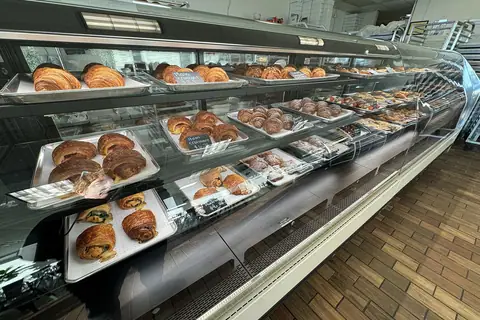
- Butter croissantA hand-laminated croissant shows the baker's patience with pastry as well as bread.
- Cardamom or cinnamon bunScandinavian-style knots have become a signature of British craft bakeries.
- Seasonal fruit danishRhubarb in spring and plums in late summer show a baker who follows the seasons.
Typical prices in 2026
| Item | Typical range | Notes |
|---|---|---|
| Sourdough loaf (800g–1kg) | £4.50–£7.50 | Heritage grain and seeded loaves cost more |
| Baguette | £2.00–£3.80 | Half-baguettes or ficelles are cheaper |
| Focaccia slab | £3.50–£6.00 | Topped versions at the higher end |
| Butter croissant | £2.40–£3.80 | Filled croissants £3.50–£5.00 |
| Cinnamon or cardamom bun | £3.00–£4.80 | Often the first thing to sell out |
| Bag of local flour (1.5kg) | £3.00–£6.00 | Stoneground and heritage flours cost more |
Guide prices across UK independents and chains; London and specialist bakeries often sit at the top of the range.
Frequently asked questions
What does 'artisan bakery' actually mean in the UK?
There is no legal definition, so it depends on the business. In practice it usually means a small independent bakery making bread and pastries by hand on site, with slow fermentation and without the additives used in industrial baking. Ask what goes into the bread and whether it is baked on the premises.
Why is artisan bread so expensive?
A craft loaf can take 24 to 48 hours from mixing to baking, it is shaped by hand, and it often uses premium or locally milled flour. The baker works through the night in small batches without the economies of a factory. At £4.50–£7.50 for a large loaf, you are mainly paying for time and skill.
Are artisan bakeries open on Sundays?
Many are, because weekend trade is their busiest, but plenty close on Mondays and Tuesdays instead to give staff a rest after early starts. Hours vary a lot between bakeries, and some only trade on certain days or at a weekly market, so it is worth checking before you travel.
Does artisan bread contain fewer additives than supermarket bread?
Generally, yes. Most factory bread in the UK is made with flour treatment agents, emulsifiers and sometimes preservatives that keep it soft for days. A genuine artisan loaf typically has four or five ingredients. That is also why it dries out faster – it is a sign of a simple recipe, not poor quality.