Italian Bakeries in the UK
Italy does not really have one baking tradition – it has twenty, one for every region. A Ligurian baker will swear by focaccia slick with olive oil, a Neapolitan by sfogliatelle with their shell-like layers, a Sicilian by cannoli piped to order with sheep's ricotta, and a Milanese by panettone that takes days to make. Italian bakeries in the UK, many founded by families who arrived after the Second World War, bring a slice of all of this to British streets.
Our open-data listings include Italian bakeries, pasticcerie and delis that do their own baking, and 'Find near me' arranges them from nearest to furthest. You will find traditional family-run shops in places such as Bedford, Clerkenwell, Glasgow and Edinburgh alongside newer bakeries focused on Roman pizza al taglio and focaccia. The guide below helps you navigate the counter, region by region.
Find italian bakeries near you
Share your location (it never leaves your browser except to sort this list) or type a UK postcode.
Italian Bakeries by city
Popular italian bakeries 1–30 of 43
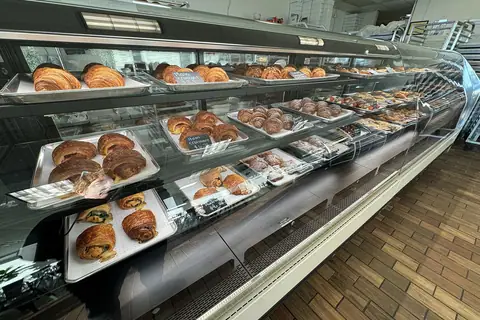
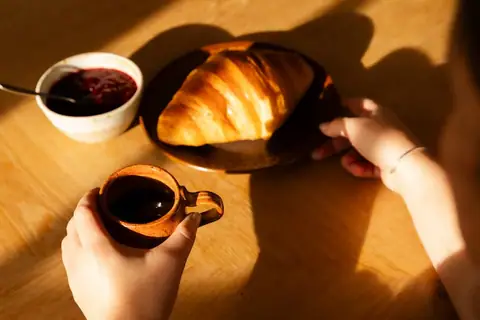
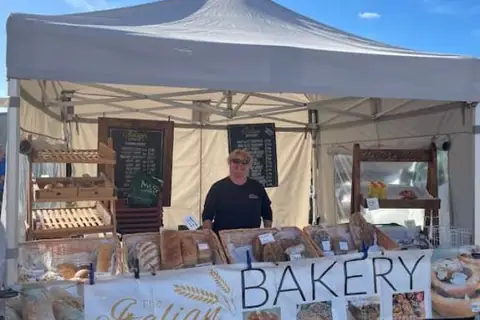

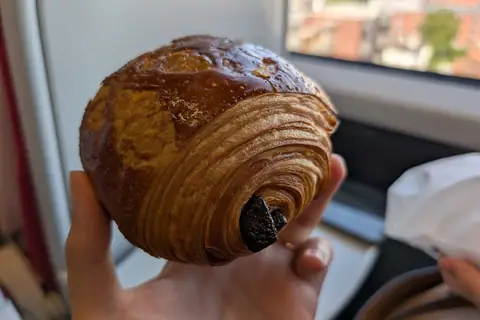
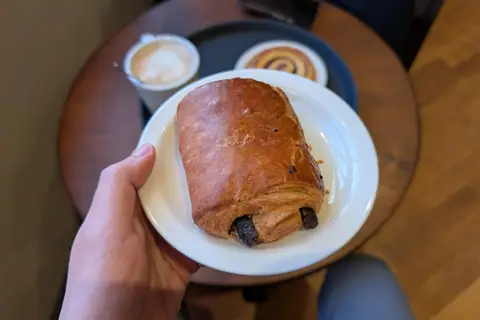
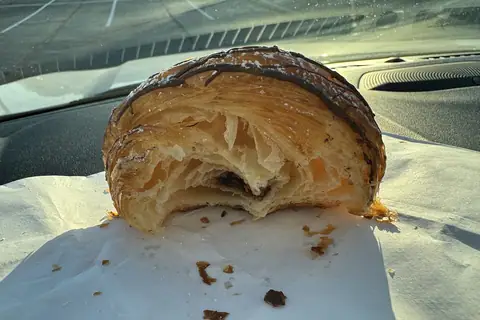
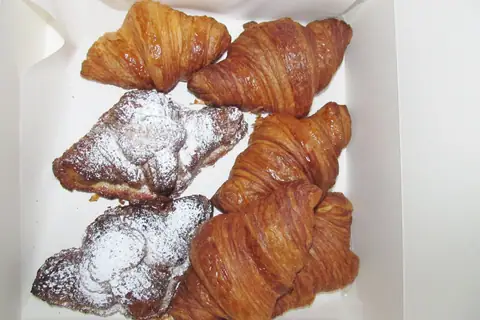
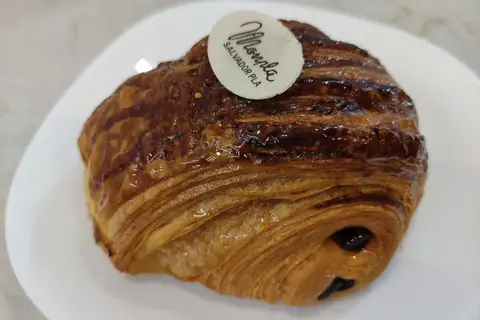
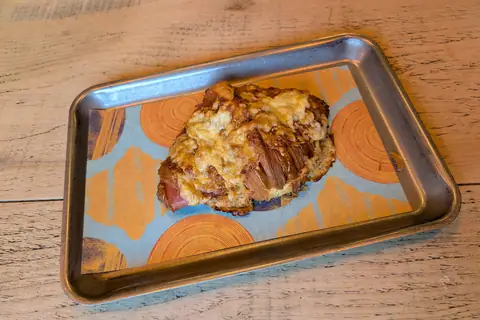
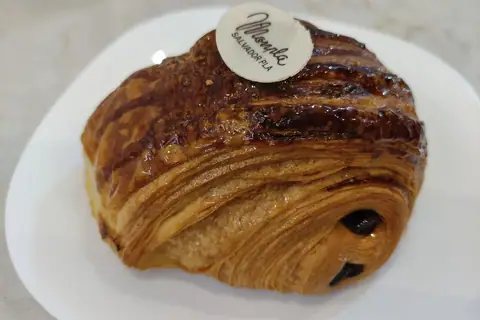
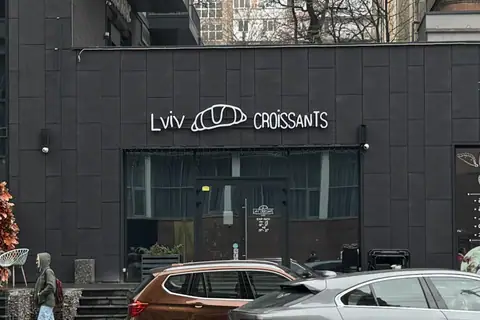
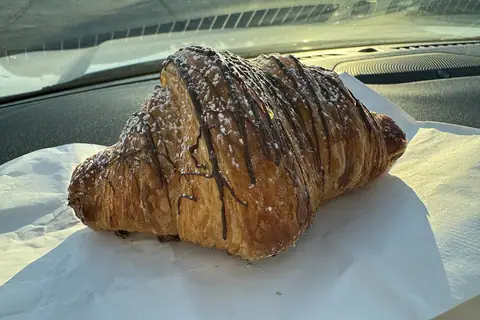
Forno and pasticceria: two sides of the shop
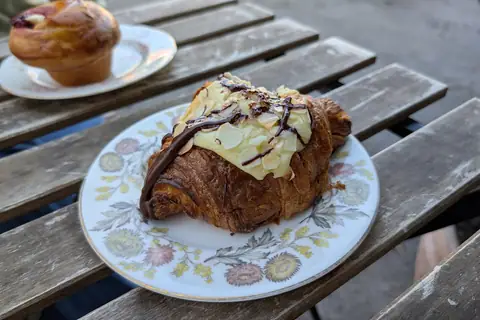
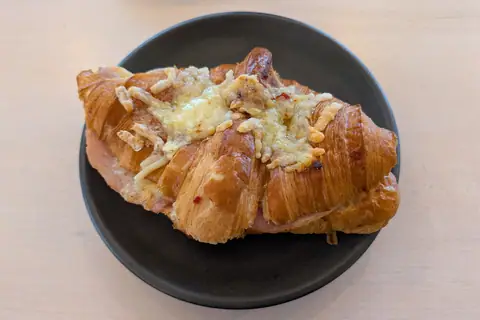
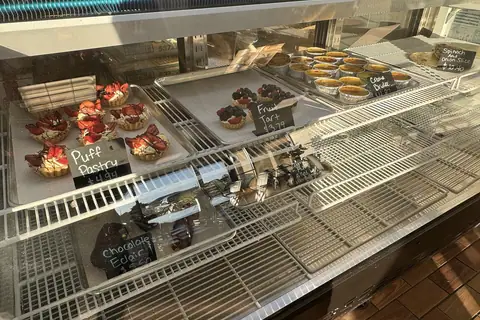
In Italy the forno is the bread bakery: focaccia, ciabatta, filone, grissini, and in many places pizza by the slice. The pasticceria is the pastry shop: cannoli, sfogliatelle, cornetti, babà, biscotti, tiramisù and celebration cakes. In the UK many Italian bakeries combine both, with savoury bakes on one side of the counter and sweet on the other.
Regional specialities to look out for
- Liguria – focaccia genovese, thin, salty and glistening with oil
- Puglia – focaccia barese topped with tomatoes and olives, and taralli
- Campania – sfogliatella riccia, babà al rum, pastiera at Easter
- Sicily – cannoli, cassata, arancini and granita
- Lombardy – panettone and colomba
- Veneto – pandoro, and the zaletti cornmeal biscuits
- Tuscany – cantucci for dunking in Vin Santo, and schiacciata
Christmas and Easter
From November, Italian bakeries fill up with panettone and pandoro, often stacked high in their paper cases. Handmade versions take two to three days because of their long, multi-stage fermentation, and they are far lighter and more fragrant than mass-produced ones. At Easter the dove-shaped colomba takes over.
Tips before you go
- Ask for cannoli to be filled to order so the shells stay crisp.
- Keep focaccia wrapped in paper and refresh it in a hot oven the next day.
- Many Italian pastries contain nuts, especially almonds and pistachios – check if you have an allergy.
- Some Neapolitan pastries such as babà are soaked in rum, so ask if you avoid alcohol.
- Reserve handmade panettone early in December, as small bakeries make limited batches.
Fun fact: Since 2005 an Italian decree has defined what can be sold as panettone in Italy, setting minimum amounts of butter, egg yolk and candied fruit and requiring natural sourdough fermentation.
What to order
- FocacciaGolden, oily and dimpled – buy it in the morning and it will barely survive the walk home.
- CannoliCrisp fried shells filled with sweetened ricotta, ideally filled just before you buy.
- SfogliatellaShell-shaped, crackly layered pastry with semolina, ricotta and citrus inside.
- CornettoThe Italian breakfast pastry – softer and sweeter than a croissant, often filled with custard or jam.
- Pizza al taglioRectangular Roman-style pizza sold by the slice and weight.
- CantucciTwice-baked almond biscuits that keep for weeks.
- Artisan panettoneA seasonal treat worth seeking out from a bakery that makes its own.
Typical prices in 2026
| Item | Typical range | Notes |
|---|---|---|
| Focaccia (slice or small slab) | £2.50–£5.50 | Topped versions higher |
| Cannolo (each) | £2.80–£5.00 | Pistachio fillings at the top end |
| Sfogliatella or cornetto | £2.20–£4.00 | Filled cornetti cost more |
| Pizza al taglio (per slice) | £3.50–£6.50 | Usually priced by weight |
| Cantucci (250g bag) | £4–£9 | Makes a good gift |
| Artisan panettone (1kg) | £25–£50 | Supermarket versions much cheaper |
Guide prices across UK independents and chains; London and specialist bakeries often sit at the top of the range.
Frequently asked questions
Where is the nearest Italian bakery to me?
Use the 'Find near me' button to sort Italian bakeries by distance. Long-established Italian communities in London, Bedford, Glasgow, Edinburgh, Manchester and south Wales have family bakeries and delis, and newer Italian bakeries are opening in many cities. Some Italian delis bake focaccia and cornetti in-house too.
What is the difference between a cornetto and a croissant?
Both are crescent-shaped laminated pastries, but a cornetto usually contains more sugar and egg and less butter, giving a softer, sweeter, more brioche-like texture. Cornetti are often flavoured with citrus or vanilla and filled with custard, jam or chocolate. A French croissant is flakier, more buttery and less sweet.
Why is artisan panettone so expensive?
A real panettone is made with a natural sourdough starter over two to three days, with several stages of mixing and proving, generous butter, egg yolks and candied fruit. Once baked, it is hung upside down to cool so it does not collapse. That time, skill and ingredient cost explain prices of £25–£50 for a 1kg cake.
Can I buy focaccia near me fresh every day?
Most Italian bakeries and many artisan bakeries bake focaccia every morning, and some bake again at lunchtime. It is at its best on the day it is made. Sort bakeries with 'Find near me', and go before midday for the best selection, as popular toppings often sell out by early afternoon.