Gluten-Free Bakeries in the UK
For anyone with coeliac disease, a gluten-free bakery is not a lifestyle choice but the difference between enjoying a croissant and spending days unwell. The good news is that gluten-free baking in the UK has moved on hugely from crumbly, cardboard-like loaves. Dedicated bakeries now turn out laminated pastries, proper sourdough made with rice and buckwheat, brownies, celebration cakes and even doughnuts that you would happily eat whether or not you need to avoid gluten.
Bakeries known for gluten-free food are mapped below from open data, nearest first once you share your location via 'Find near me'. It is essential to understand that a bakery listed here may be fully dedicated gluten-free, or may simply offer a gluten-free range alongside ordinary wheat baking. The guidance below explains the difference and the questions to ask before you buy.
Find gluten-free bakeries near you
Share your location (it never leaves your browser except to sort this list) or type a UK postcode.
Gluten-Free Bakeries by city
Popular gluten-free bakeries 1–30 of 58
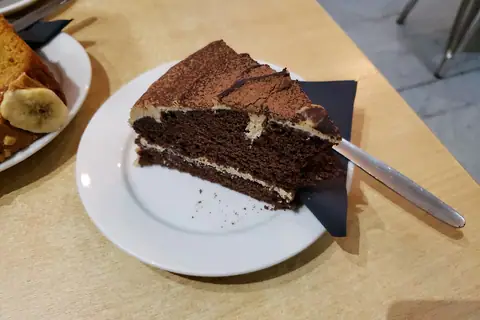
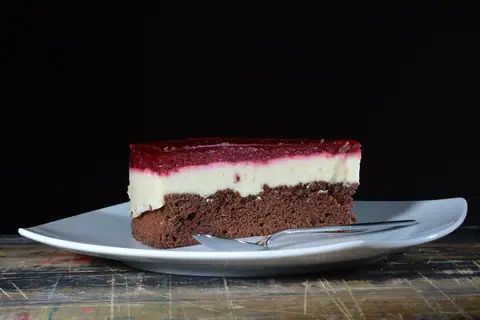
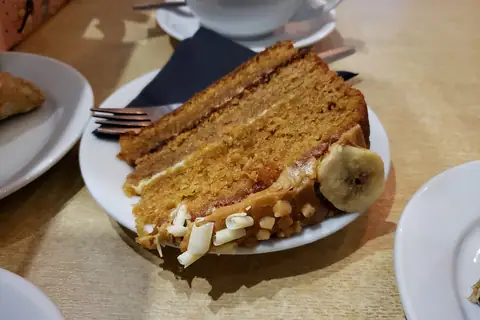
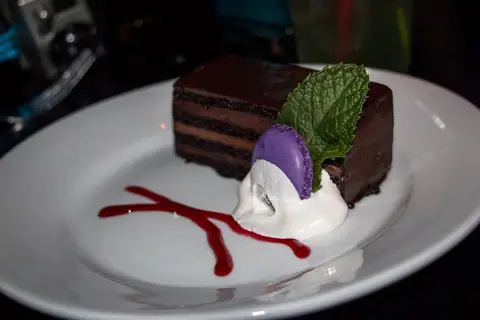
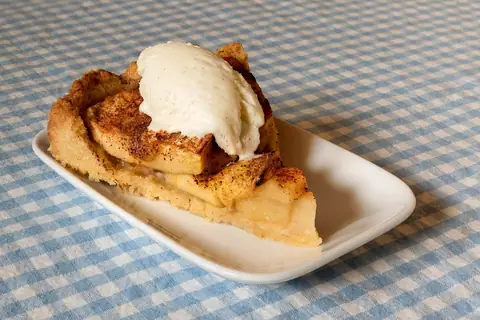
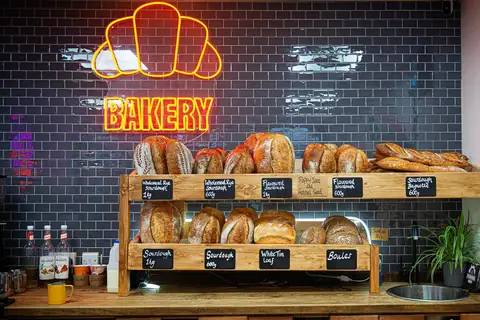
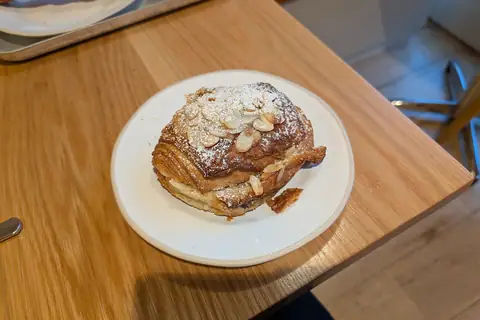
The Courtyard Coffee Shop - Bake180
Units 4-6, Middleton Hall Craft Centre, Tamworth Road, Tamworth B78 2AE
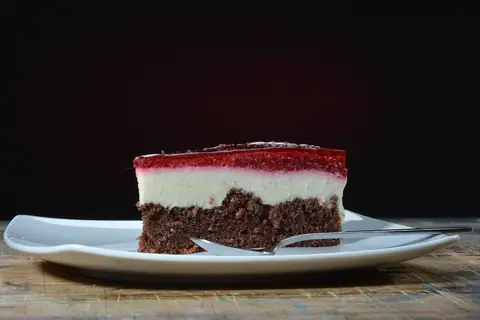
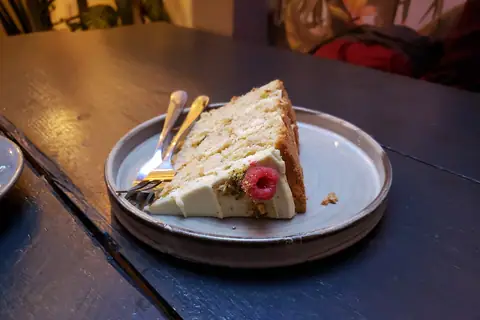
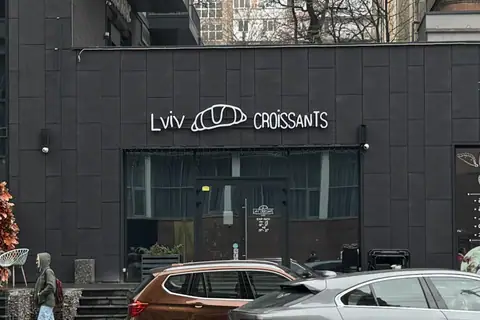

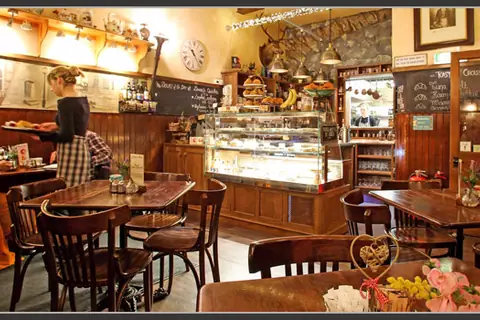
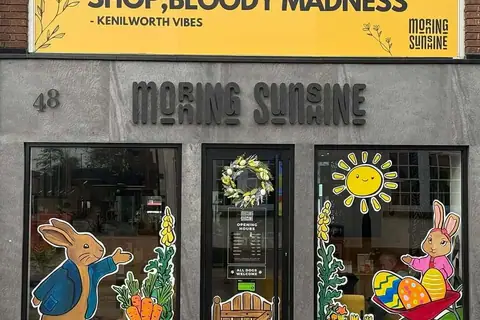
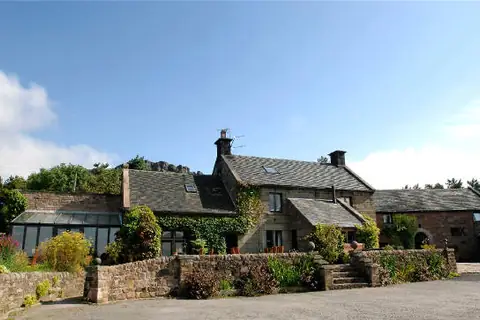
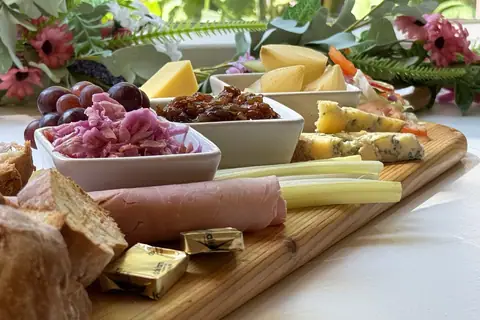
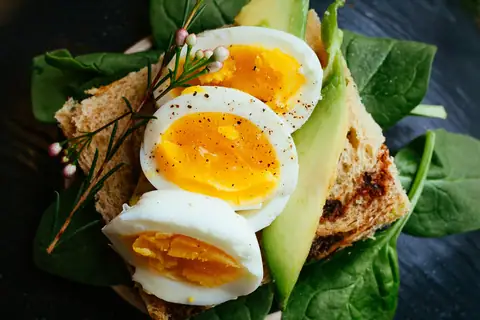
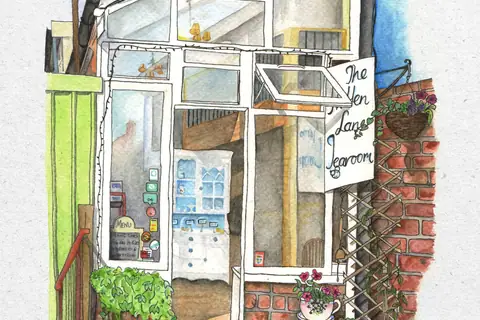
The Hidden Lane Tearoom
8, The Hidden Lane (Argyle Court), 1103 Argyle Street, Glasgow G3 8ND
Dedicated kitchen or gluten-free range?
A dedicated gluten-free bakery does not bring wheat, barley, rye or ordinary oats into the building at all. This is the safest option for coeliacs, because flour dust travels: it hangs in the air for hours, settles on surfaces and gets into shared mixers, proving baskets and ovens.
A mixed bakery with a gluten-free range can still be a good choice if it has strict controls – separate preparation times or areas, colour-coded equipment, sealed storage and packaging straight after baking. Some use the phrase 'no gluten-containing ingredients' (NGCI) instead of 'gluten-free', which is an honest signal that they cannot guarantee against cross-contamination.
Questions to ask before you buy
- Is the whole kitchen gluten-free, or just certain products?
- Are gluten-free items made at a separate time, with cleaned equipment?
- Do you use certified gluten-free oats, or ordinary oats?
- Are gluten-free bakes stored and displayed apart from wheat products?
- Do staff use clean tongs and boards when serving them?
- Is your gluten-free food tested or certified by a recognised scheme?
What 'gluten-free' means on a label
Under UK law, food can only be called gluten-free if it contains 20 parts per million of gluten or less – a level considered safe for the vast majority of people with coeliac disease. Prepacked food made on the premises must also list all ingredients with allergens emphasised, so check labels carefully, as recipes and suppliers can change.
Tips before you go
- Always mention coeliac disease rather than just 'gluten-free preference' so staff understand how careful they need to be.
- Gluten-free bread stales quickly – slice and freeze it on day one and toast from frozen.
- Remember that spelt, rye, barley, einkorn and most oats all contain gluten or are usually contaminated with it.
- Avoid anything fried in shared oil with wheat products, such as some doughnuts.
- Check for other allergens: gluten-free recipes often rely more on eggs, nuts, dairy or psyllium.
- If you are newly diagnosed, your local coeliac support group will often know which nearby bakeries are trusted.
Fun fact: In the UK, food may only be labelled 'gluten-free' if it contains no more than 20 parts per million of gluten – that is, no more than 20 milligrams of gluten in every kilogram of food.
What to order
- Gluten-free sourdoughMade with a rice, buckwheat or sorghum starter, it has real chew and toasts well.
- BrowniesFudgy brownies barely need flour, so a gluten-free version is often indistinguishable from the original.
- Gluten-free croissantDifficult to make well, so a flaky one is a sign of a seriously skilled baker.
- Lemon or orange polenta cakeNaturally gluten-free and wonderfully moist.
- SconesA good test of texture – they should be light and crumbly, not gritty.
- Celebration cakeDedicated bakers can make full birthday and wedding cakes so the whole party can share.
- Gluten-free bread rollsHandy for packed lunches and burgers, and freeze well.
Typical prices in 2026
| Item | Typical range | Notes |
|---|---|---|
| Gluten-free loaf (400–600g) | £4.50–£7.50 | Smaller than wheat loaves for the price |
| Brownie or blondie | £3.00–£4.50 | Often the best-value GF treat |
| Gluten-free croissant or pastry | £3.50–£5.50 | Specialist ingredients push prices up |
| Slice of cake | £3.80–£5.80 | Dairy-free versions sometimes available too |
| Pack of 4 rolls | £4.00–£7.00 | Freeze on the day you buy them |
| 8-inch celebration cake | £45–£95 | Order at least a week ahead |
Guide prices across UK independents and chains; London and specialist bakeries often sit at the top of the range.
Frequently asked questions
Is there a gluten free bakery near me?
Use the 'Find near me' button to sort gluten-free bakeries by distance. Dedicated fully gluten-free bakeries are still relatively rare and tend to be in cities, but many artisan bakeries and cafés now carry a gluten-free range. Always check whether the kitchen is dedicated before buying if you have coeliac disease.
Is gluten-free bread from a bakery safe for coeliacs?
It depends on the kitchen. Bread from a dedicated gluten-free bakery, or one labelled gluten-free to the legal limit of 20ppm, is generally considered safe. Bread from a mixed bakery may be at risk of cross-contamination from flour dust and shared equipment, so ask how it is made and stored.
Why does gluten-free baking cost more?
Gluten-free flours, starches and binders such as psyllium husk and xanthan gum cost more than wheat flour, and bakers need separate equipment, storage and often separate production days. Many also test batches. Lower volumes mean less economy of scale, so a gluten-free loaf can cost noticeably more than a wheat loaf of similar size.
Can I get a gluten free birthday cake near me?
Yes. Many cake makers offer gluten-free sponges, and dedicated gluten-free bakeries can produce fully decorated birthday and celebration cakes. Order at least a week in advance, ask about cross-contamination, and check decorations too – some sprinkles, wafer toppers and biscuit decorations contain gluten even when the sponge does not.
Are oats gluten free?
Oats do not naturally contain gluten in the same way as wheat, but ordinary oats are usually contaminated during growing and milling. Only oats labelled gluten-free should be used. A small number of people with coeliac disease also react to avenin, a protein in oats, so some prefer to avoid oats entirely.