Scandinavian Bakery
The Danish Bakery
Unit 14 River Bridge Business Centre Rhymney River Bridge Road, Penylan, Cardiff CF23 9FP
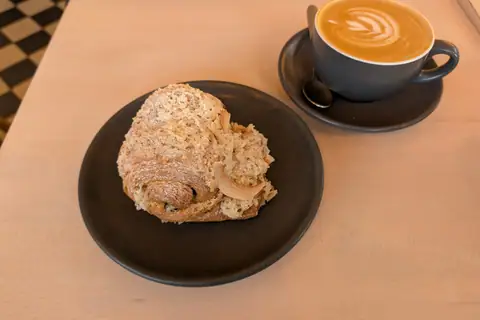
The cardamom bun has quietly become one of the defining bakes of modern Britain, and it owes much to Scandinavian bakeries. Sweden, Denmark and Norway share a love of soft, spiced, buttery yeast doughs twisted into knots and swirls, of dense seeded rye bread, and of the habit of stopping for coffee and something sweet. Swedes call that pause fika; Danes call the feeling hygge. Both have found a happy home in British cities.
Danish, Swedish, Norwegian, Finnish and Nordic-inspired bakeries are listed below from open data; 'Find near me' works out which is the shortest walk for your next fika. Some are run by Scandinavian bakers; others are British craft bakeries that have adopted the style wholesale. The guide below explains the classic bakes, the difference between a Danish pastry and a cinnamon bun, and what to pay.
Share your location (it never leaves your browser except to sort this list) or type a UK postcode.
Unit 14 River Bridge Business Centre Rhymney River Bridge Road, Penylan, Cardiff CF23 9FP
Unit 13 Wickham Business Centre Harwood Road, Littlehampton, West Sussex BN17 7AU
The Danish Bakery 6 Glebe Street, Penarth, Vale Of Glamorgan CF64 1EB
Apartment 301 Granville Lofts, 190 Holliday Street, Birmingham B1 1FD
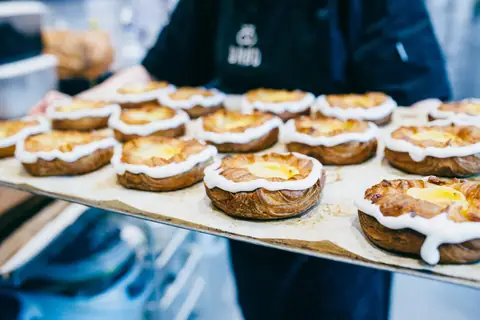
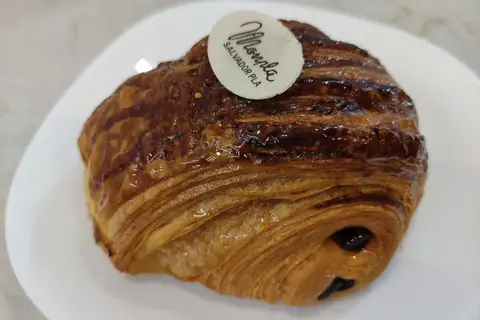
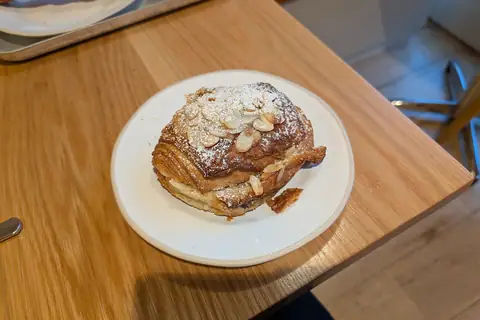
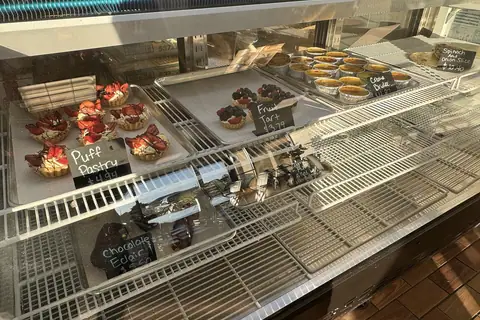
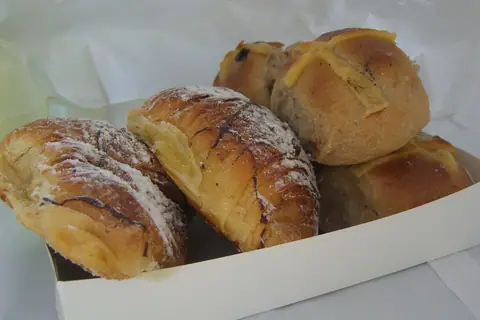
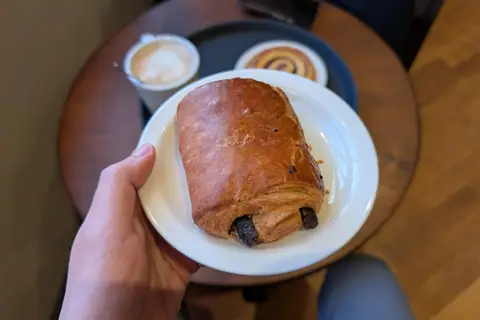
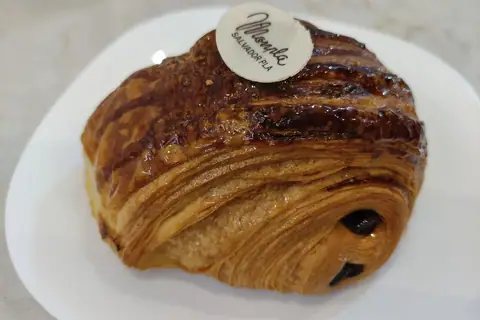
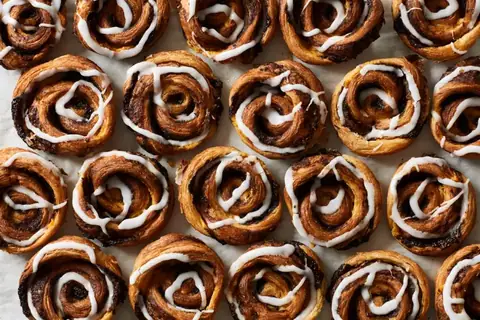
What the British call a Danish pastry, Danes call wienerbrød – Vienna bread – because the laminated dough technique was brought to Copenhagen by Austrian bakers in the 19th century. Danish bakers then made it their own with richer fillings: remonce (butter, sugar and almond or cinnamon paste), custard and jam. Classic shapes include the spandauer, a round with a dollop of custard in the middle; the tebirkes, poppy-seed covered and filled with remonce; and the kanelsnegl, a cinnamon snail.
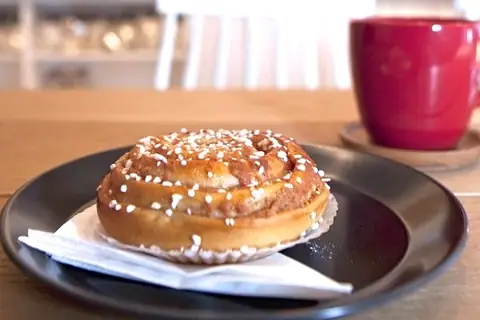
Swedish buns are different: they are made from an enriched yeast dough rather than laminated pastry, which gives a soft, bready texture rather than flaky layers.
Danish rugbrød is a dense, dark, sourdough rye loaf packed with whole grains and seeds, baked in a tin and sliced thinly for smørrebrød, the open sandwiches topped with pickled herring, egg, prawns or roast pork. It keeps for a week and is worth buying even if you came for the buns.
Fun fact: Danes call Danish pastry wienerbrød, meaning 'Vienna bread', because the technique is thought to have arrived with Austrian bakers who came to Copenhagen in the mid-19th century during a strike by Danish bakery workers.
| Item | Typical range | Notes |
|---|---|---|
| Cardamom or cinnamon bun | £3.00–£4.80 | Often warm in the morning |
| Danish pastry (spandauer etc.) | £3.00–£4.50 | Seasonal fruit versions higher |
| Semla | £4.00–£6.00 | Late winter only |
| Rugbrød loaf | £4.50–£7.50 | Keeps for a week |
| Smørrebrød (each) | £5.50–£10 | Topping-dependent |
| Lussekatt (saffron bun) | £2.50–£4.00 | December only |
Guide prices across UK independents and chains; London and specialist bakeries often sit at the top of the range.
Use 'Find near me' to sort Scandinavian and Danish bakeries by distance. True Danish and Swedish bakeries are concentrated in London and some larger cities, but many independent British bakeries now sell cardamom buns, cinnamon swirls and Danish-style pastries. Search the list for bakeries close to you and check their menus.
A Danish pastry is made with laminated dough – layers of butter folded into yeasted pastry – giving a flaky, crisp texture. A Swedish cinnamon bun uses an enriched yeast dough without lamination, so it is soft and bready, usually spiced with cardamom and topped with pearl sugar. Both are delicious.
A semla is a Swedish cardamom bun, hollowed out and filled with almond paste and whipped cream, with the top replaced and dusted with icing sugar. Traditionally it is eaten on Shrove Tuesday, but Scandinavian bakeries in the UK usually sell them from around January until Easter.
Fika is the Swedish tradition of pausing for coffee and something to eat – often a cinnamon or cardamom bun – usually with friends or colleagues. It is as much about taking a break as the food. Many Scandinavian bakeries and cafés in the UK have embraced the idea as part of their identity.