Turkish Bakeries in the UK
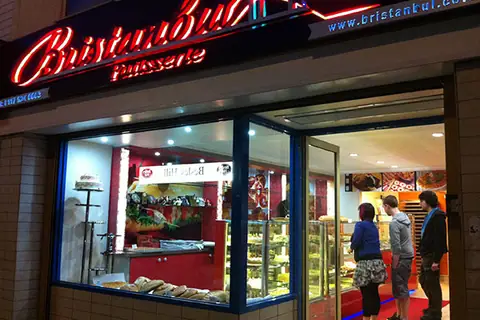
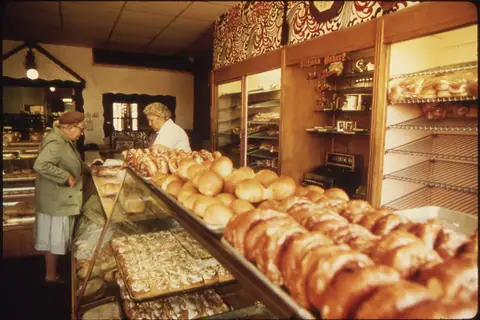
Walk into a Turkish bakery and you are likely to meet two counters. One is all about bread – sesame-crusted simit rings, enormous oval loaves of Turkish bread, flatbreads for kebabs and Ramadan pide scattered with nigella seeds. The other glitters with baklava, kadayıf and other syrup-soaked sweets cut into neat diamonds and squares. In Green Lanes, Dalston, Stoke Newington and many towns beyond London, these shops are busy from early morning until late at night.
Use 'Find near me' to see the closest Turkish bakeries, drawn from open data. Some are traditional fırın bakeries with stone-floored ovens producing bread for local restaurants; others are pastane-style cafés with tea, cakes and börek. Many supply both. Everything is generally halal, and many are open seven days, making them a handy stop for fresh bread at almost any hour.
Find turkish bakeries near you
Share your location (it never leaves your browser except to sort this list) or type a UK postcode.
Turkish Bakeries by city
Popular turkish bakeries 1–30 of 33

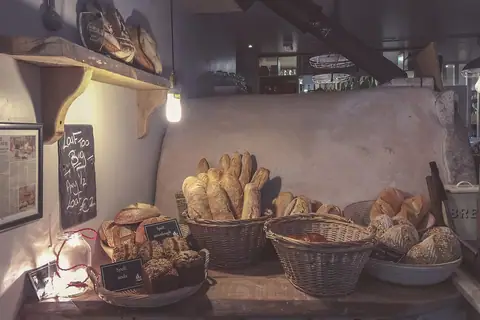
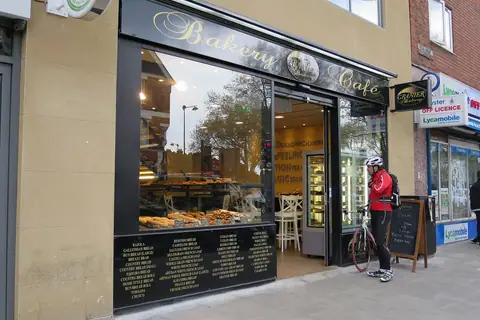
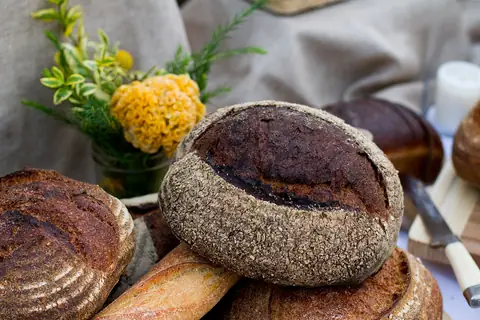
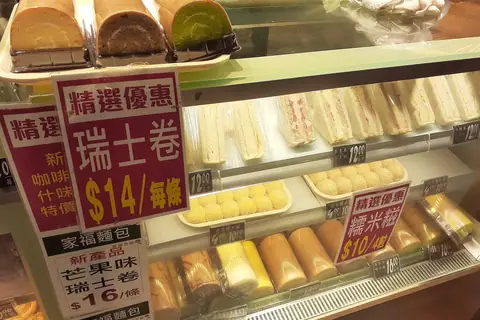
Morning: simit, börek and çay
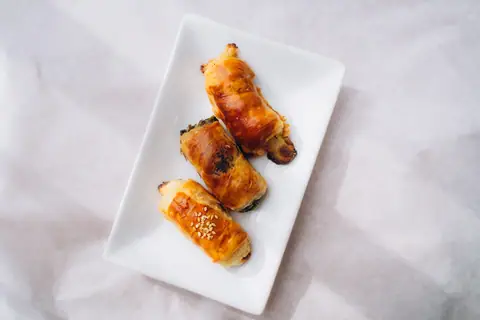
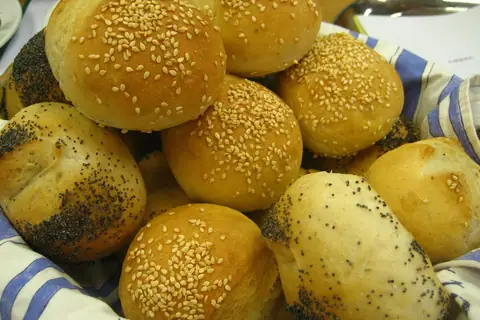
Turkish breakfast culture revolves around fresh bread. Simit, a ring of dough dipped in grape molasses and rolled in sesame before baking, is eaten on the go or with white cheese, olives and tomatoes. Börek – layers of thin yufka pastry filled with feta and parsley, spinach or minced meat – is sold by the slice from huge trays. Poğaça, soft savoury buns, are another favourite, ideally washed down with small glasses of black tea.
Pide here means two things: boat-shaped flatbreads with toppings, baked like pizza, and the round, dimpled Ramadan pide that bakeries sell in huge numbers around iftar during the holy month.
Afternoon: syrup and pistachio
- Baklava – layers of filo, butter and pistachio or walnut soaked in syrup
- Şöbiyet – baklava with a semolina cream filling
- Kadayıf – shredded pastry wrapped around nuts and soaked in syrup
- Künefe – warm shredded pastry with melted cheese, served with syrup
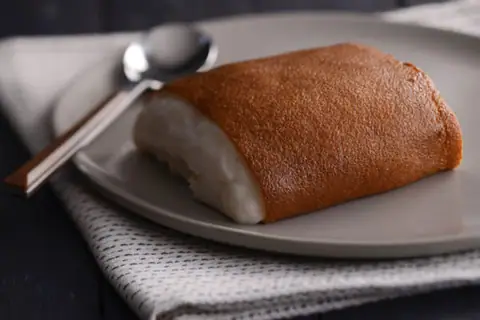
- Revani – semolina sponge cake soaked in syrup
- Lokum – Turkish delight, often sold loose by weight
Tips before you go
- Judge baklava by the pistachios – a vivid green colour indicates young, high-quality nuts.
- Baklava should be crisp on top and moist underneath, not drowning in syrup.
- Buy Turkish bread in the evening for dinner – many bakeries bake throughout the day.
- During Ramadan, Ramadan pide sells out before iftar; go early or reserve.
- Most pastries contain nuts, wheat and dairy; ask about allergens if needed.
Fun fact: In 2013 Antep baklava from Gaziantep became the first Turkish product to receive Protected Geographical Indication status from the European Union.
What to order
- SimitCrunchy, chewy sesame ring – best eaten warm from the morning batch.
- Turkish bread loafHuge, soft and cheap; perfect for dipping, sandwiches and barbecues.
- Peynirli börekFlaky layered pastry with salty white cheese and parsley.
- LahmacunThin flatbread with spiced minced meat, rolled up with salad and lemon.
- Pistachio baklavaBright green pistachios and crisp layers are signs of quality.
- KünefeServed hot, with stretchy cheese under crisp golden pastry.
Typical prices in 2026
| Item | Typical range | Notes |
|---|---|---|
| Simit | £1.00–£2.20 | Cheaper by the bag |
| Large Turkish bread loaf | £1.20–£3.00 | Feeds a family |
| Börek (slice) | £2.50–£5.00 | Meat fillings at the top |
| Pide with topping | £7–£13 | Often baked to order |
| Baklava (per kg) | £18–£45 | Pistachio costs more than walnut |
| Künefe portion | £6–£10 | Made fresh, takes 10–15 minutes |
Guide prices across UK independents and chains; London and specialist bakeries often sit at the top of the range.
Frequently asked questions
Where can I buy fresh Turkish bread near me?
Turkish bakeries usually bake bread several times a day and supply it to local restaurants and grocers. Tap 'Find near me' to rank them by distance. Turkish supermarkets often stock bread from nearby bakeries as well. A large loaf generally costs between £1.20 and £3, making it one of the best-value breads available.
Is baklava from a Turkish bakery halal?
Baklava itself is made from filo pastry, butter, nuts, sugar and water, so it is generally halal, and Turkish bakeries in the UK usually operate halal kitchens. If you need certainty, ask the shop about its sourcing, particularly for any items with meat, gelatine or flavourings.
How long does baklava last?
Baklava keeps well because the syrup acts as a preservative. Store it at room temperature in an airtight container, away from heat, and it stays good for around a week. Refrigerating it can make the pastry hard and the syrup crystallise, so avoid the fridge unless it is very warm.
What is the difference between pide and pizza?
Turkish pide is a boat-shaped flatbread with the edges folded in, topped with things like minced lamb, cheese, spinach or sucuk sausage and often an egg. It does not usually use tomato sauce as a base the way pizza does. The dough is softer and the shape is long and oval.